
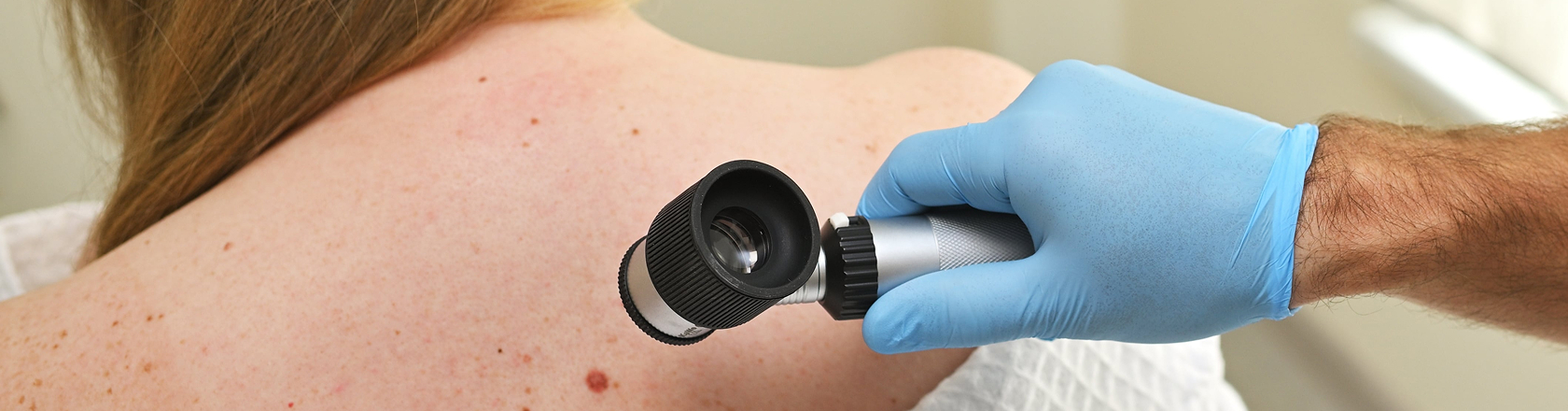


Skin cancer treatment focuses on removing or destroying cancerous cells, protecting surrounding healthy tissue, and reducing the risk of recurrence. Early diagnosis and individualized care are essential for achieving the best possible outcomes and preserving both skin health and appearance.
Symptoms & Causes
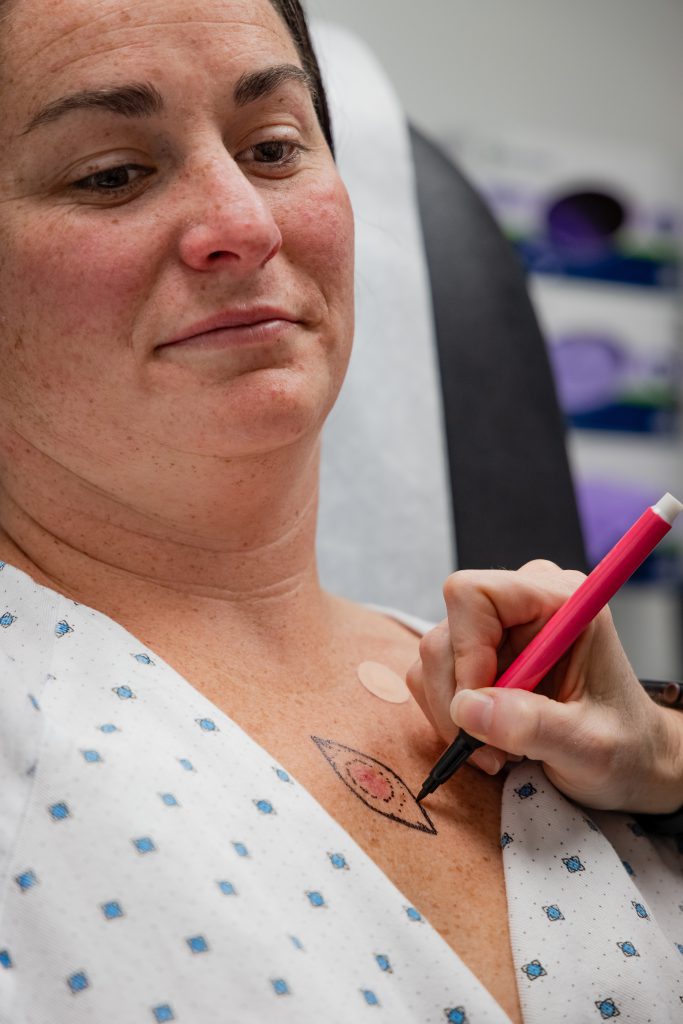
Skin cancer may appear as new or changing growths, unusual moles, non-healing sores, scaly patches, or lesions that bleed, itch, or change in appearance over time. Common causes and risk factors may include:
- Excessive sun exposure
- Tanning bed use
- Fair skin or frequent sunburns
- Family history of skin cancer
- Weakened immune system
- Previous history of skin cancer
Dr. Amin Esfahani, MD, Board-Certified Dermatologist, and the team at Central Valley Skin Specialists provide personalized evaluations and evidence-based treatment recommendations for patients throughout the Central Valley.
Treatment Options
Treatment recommendations are tailored to each patient based on the type, size, depth, and location of the skin cancer. Options may include:
Superficial Radiation Therapy Image-guided superficial radiation therapy is a non-surgical treatment that uses low-energy radiation to treat certain types of skin cancer while preserving surrounding healthy tissue. Ultrasound imaging is used throughout treatment to precisely measure and monitor the cancer, allowing radiation to be delivered accurately to the targeted area. This technique offers high cure rates without surgery, making it especially beneficial for patients seeking a non-invasive option or for cancers located on cosmetically sensitive areas such as the face, ears, scalp, and lower legs.
Surgical Excision Surgical excision involves carefully removing the cancerous lesion along with a small margin of healthy surrounding tissue to help ensure complete removal. This is a common treatment for basal cell carcinoma, squamous cell carcinoma, and certain melanomas.
Mohs Surgery Mohs micrographic surgery is a highly specialized procedure that removes skin cancer layer by layer while examining each layer under a microscope in real time. This technique offers high cure rates while preserving as much healthy tissue as possible, making it especially effective for cancers on the face, ears, scalp, hands, and other cosmetically sensitive areas.
Cryotherapy Cryotherapy uses controlled freezing techniques to destroy precancerous lesions such as actinic keratoses and select superficial skin cancers. The treatment is quick, minimally invasive, and performed in-office.
Topical Medications Prescription creams or topical therapies may be recommended for certain superficial skin cancers or precancerous growths. These medications work by targeting abnormal skin cells while minimizing damage to healthy tissue.
Electrodessication & Curettage (ED&C) This procedure involves gently scraping away cancerous tissue followed by the use of controlled electrical energy to destroy remaining abnormal cells and reduce bleeding. ED&C is commonly used for select superficial basal and squamous cell carcinomas.
Ongoing Monitoring & Prevention After treatment, regular skin examinations and preventive care are essential to monitor for recurrence and detect new skin cancers early. Patients may also receive personalized sun protection guidance and long-term skin health recommendations.